
How an Out-of-State Owner Sold a Squatter-Damaged House in Waynesville, NC
Transaction Snapshot
| Detail | Information |
| Location | Waynesville, Haywood County, NC |
| Seller | Amanda |
| Seller Situation | Out-of-state property owner |
| Main Challenges | Unauthorized occupants / squatters, code and property-maintenance violations, delinquent property taxes |
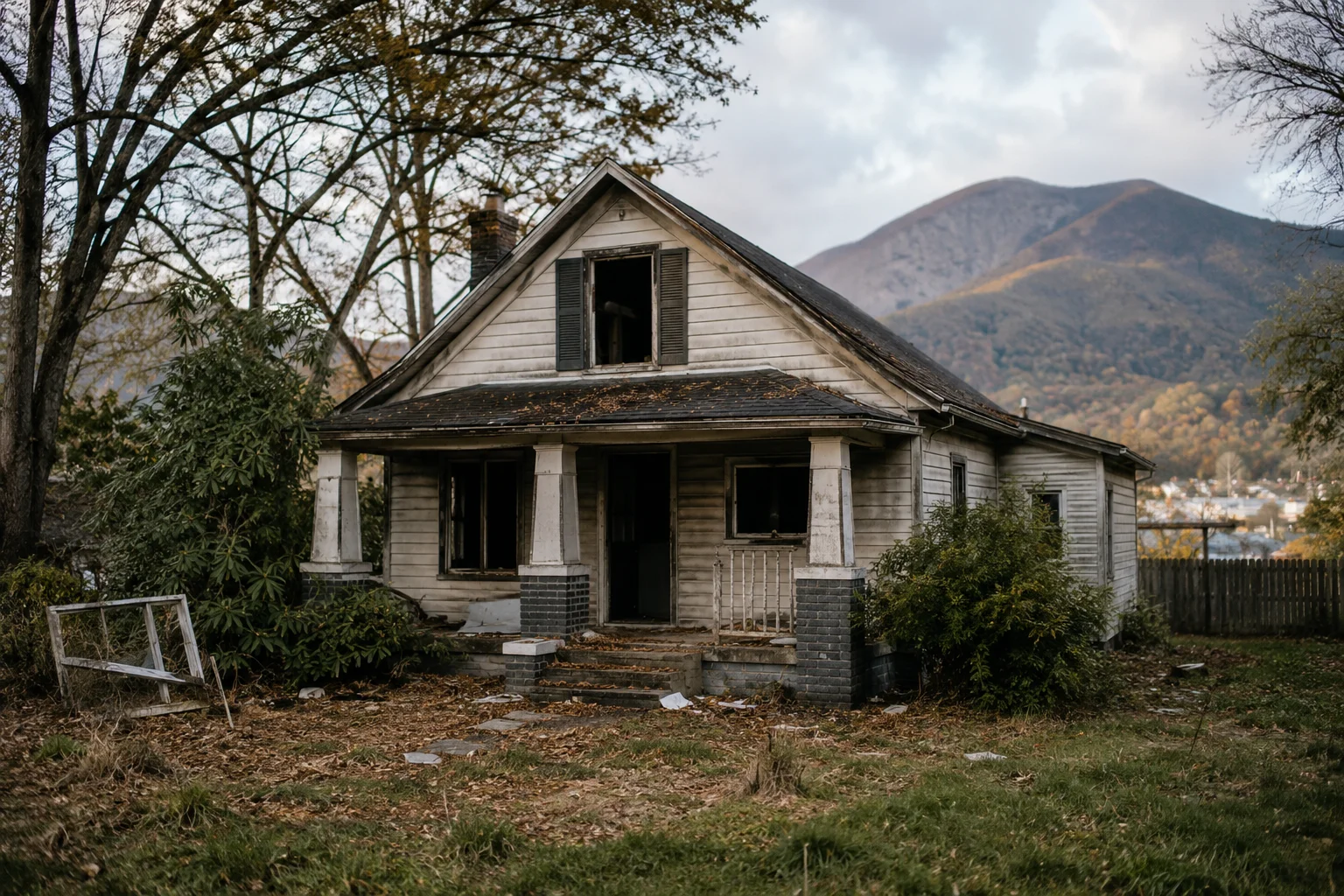
| Property Condition | Neglected, overgrown, debris and garbage present, significant deferred maintenance |
| Sale Type | Direct cash sale |
| Property Sold | As-is |
| Repairs Required From Seller | None |
| Traditional Showings | None |
| Real Estate Agent Required | No |
| Outcome | A streamlined sale that allowed Amanda to stop managing a distressed property from out of state |
The Seller's Situation
Amanda was an out-of-state property owner with a home in Waynesville, North Carolina. Because she did not live locally, she was not able to monitor the property day to day, keep up with the yard, or easily see who was accessing the home. Over time, the situation deteriorated far beyond what she expected.
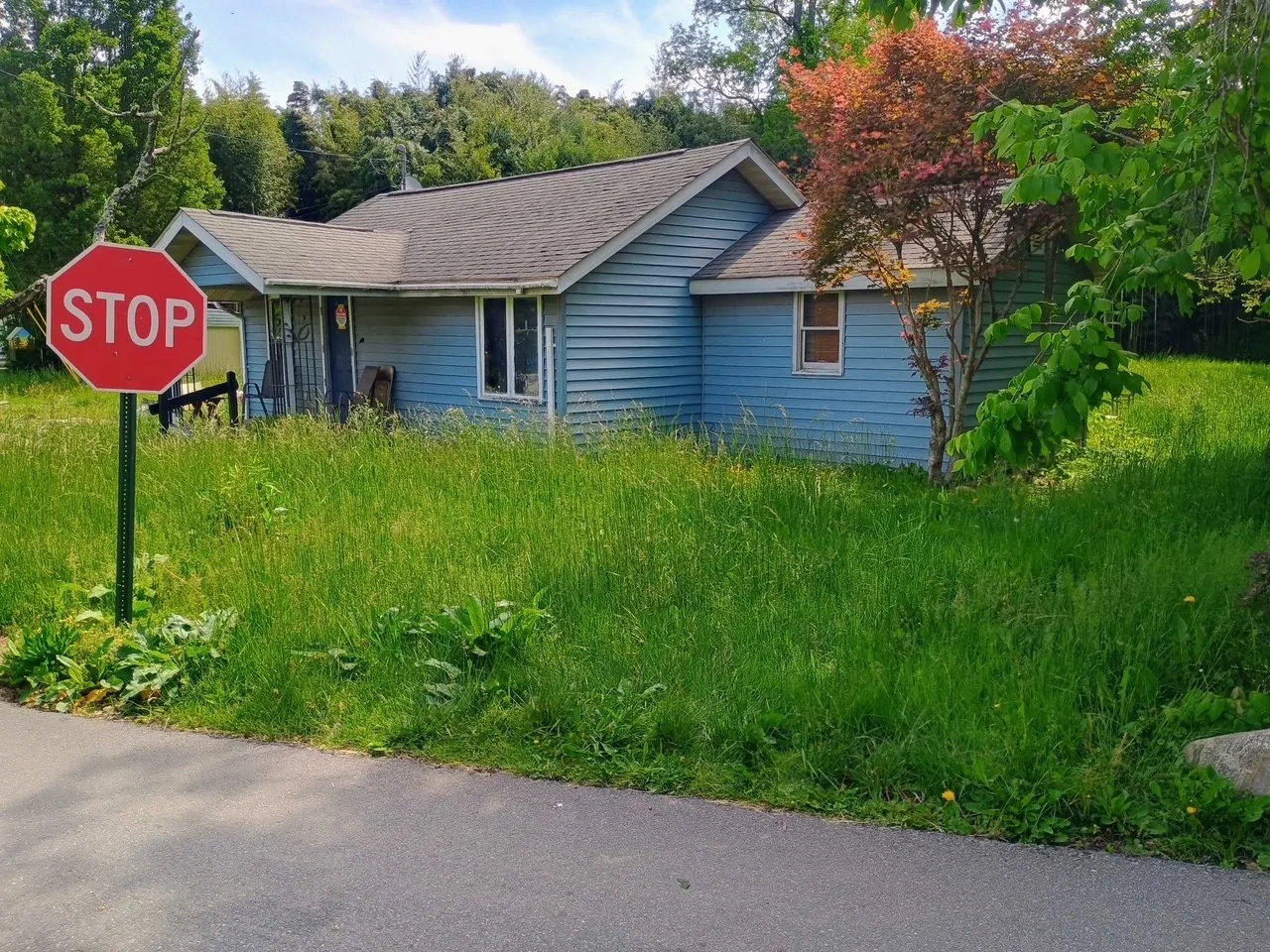
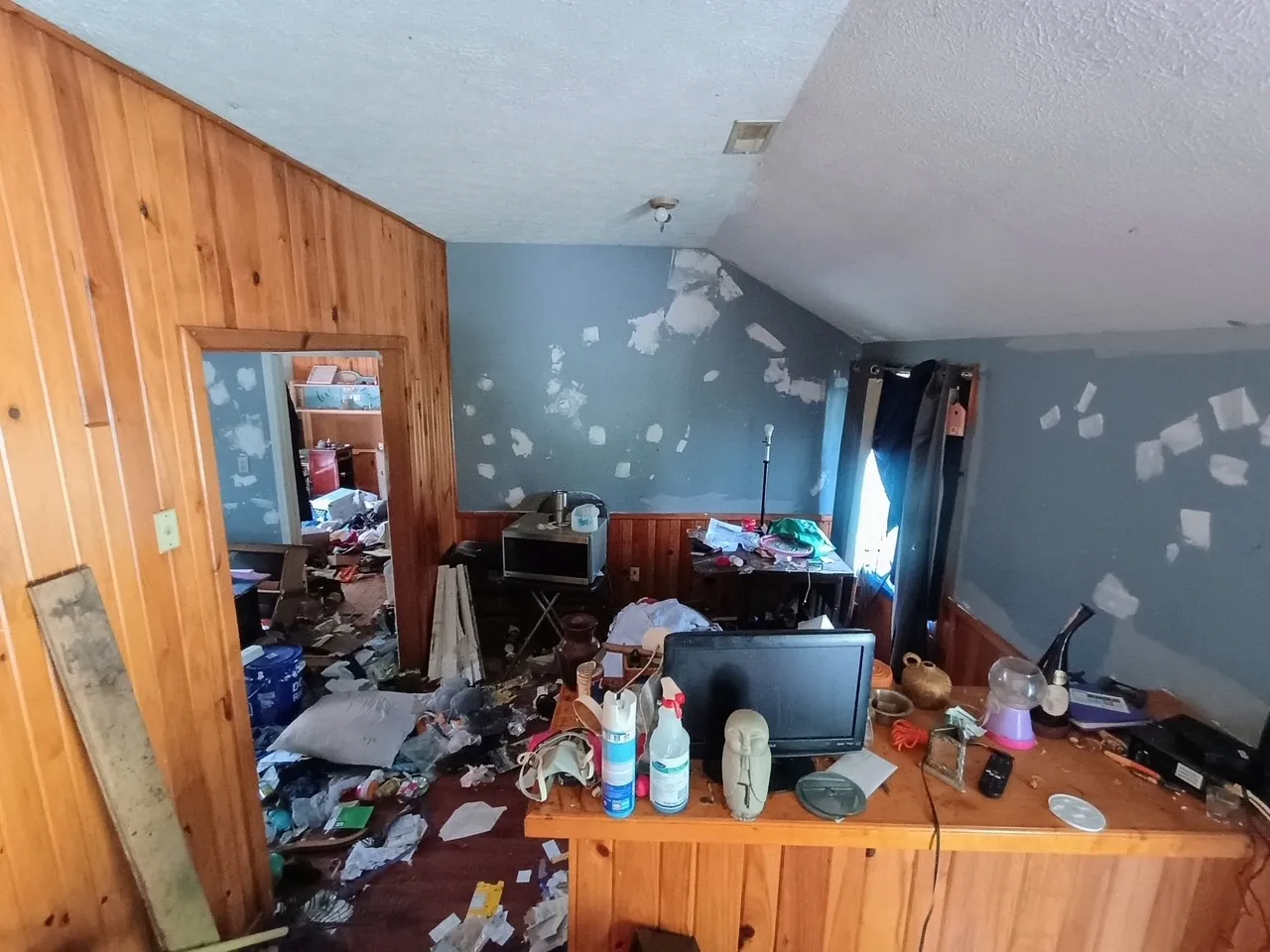
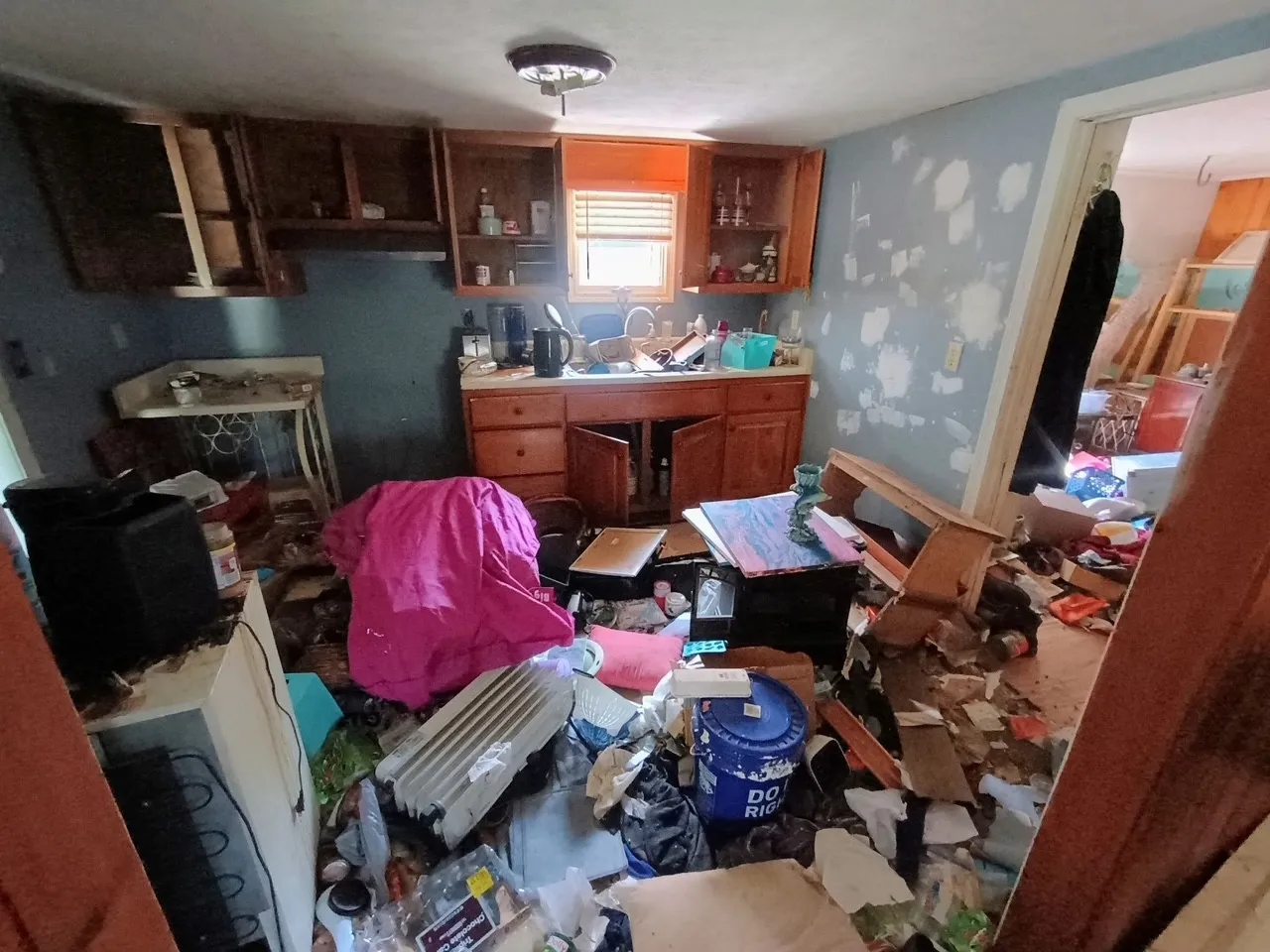
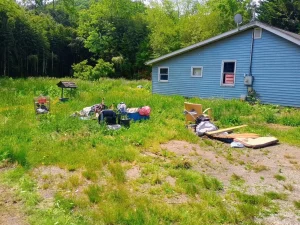
When Amanda returned to the property, she discovered that unauthorized occupants and squatters had taken over the home. The property had also been neglected: the exterior was heavily overgrown, garbage and debris had accumulated, and the house was no longer simply a home that needed a few cosmetic updates. It had become a distressed property that required meaningful cleanup and attention.
At the same time, Amanda was dealing with delinquent property taxes and notices connected to the property's condition and lack of maintenance. The longer she continued to own the house, the more responsibilities she had to manage from another state. She did not want to become a long-distance property manager, contractor, cleanup coordinator, and code-compliance project manager just to get the home ready for sale. She wanted a practical way to sell the property as-is and move forward.
The Property & Local Context
The property was located in Waynesville in Haywood County, North Carolina. We are intentionally focusing this case study on the city and county rather than publishing the exact street address. From a local-seller perspective, this transaction is especially relevant because it combined several problems that homeowners in Western North Carolina may face at the same time: out-of-state ownership, unauthorized occupants, deferred maintenance, property-condition violations, overgrown grounds, debris, and back property taxes.
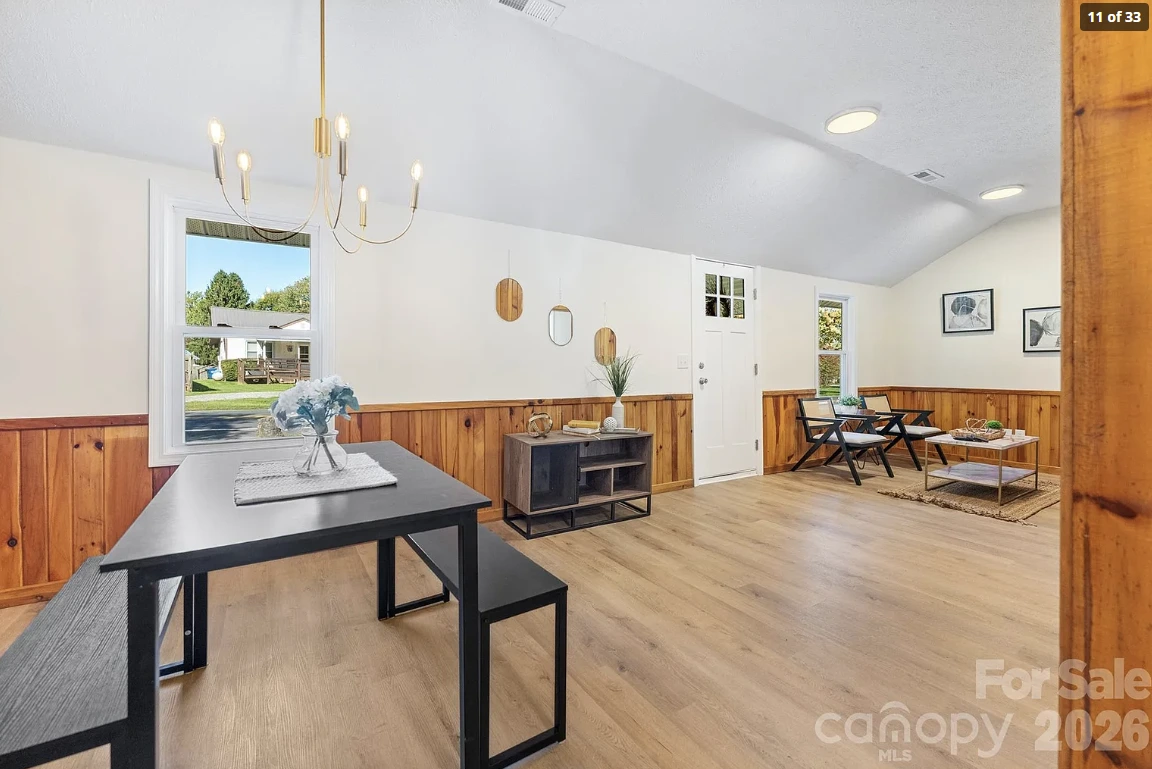
Waynesville and the broader Haywood County market include primary residences, rentals, inherited homes, vacant properties, and houses owned by people who have moved away. When a property is no longer being monitored consistently, small maintenance issues can compound into larger problems. In Amanda's case, distance made those problems much harder to manage because every repair, cleanup project, access issue, or contractor appointment potentially required another trip or another person to coordinate remotely.
For a seller searching for ways to sell a distressed house in Waynesville, sell a house from out of state in North Carolina, or sell a property with squatters or code violations in Haywood County, Amanda's experience shows why the right selling strategy depends on the condition of the property and the seller's priorities—not simply the theoretical retail value of the house.
What Made the Property Difficult to Sell
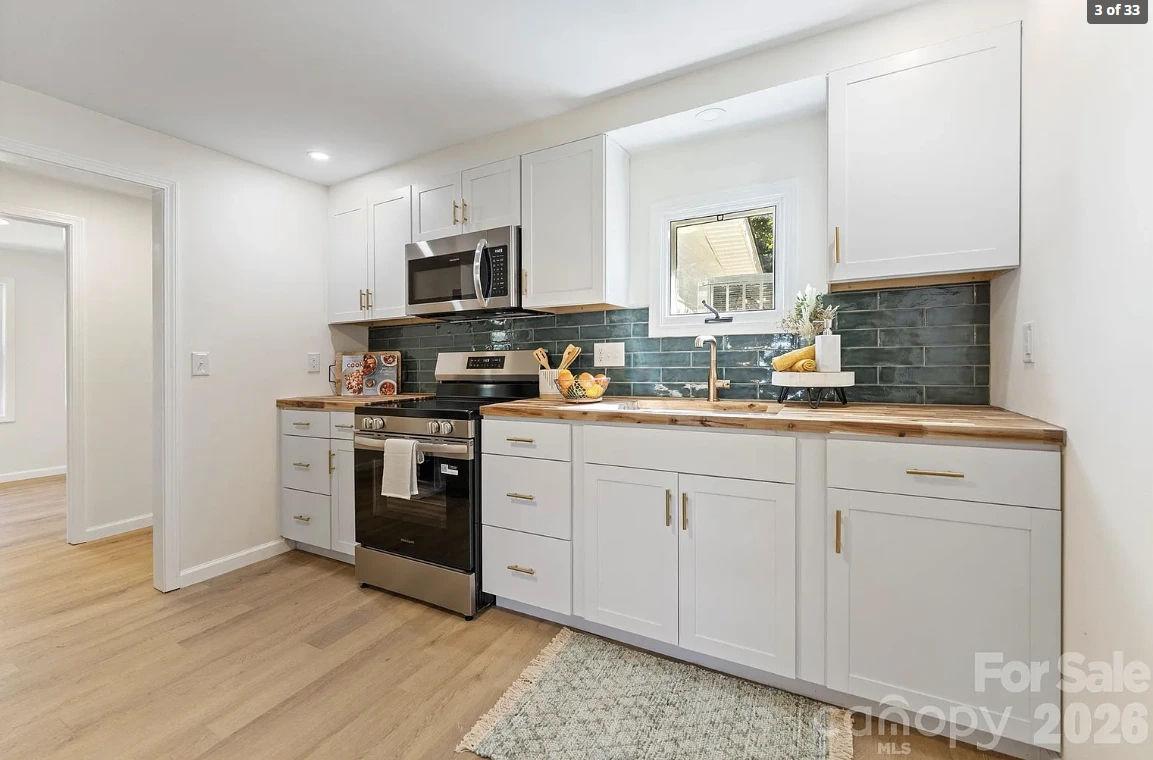
The Challenges
- Out-of-state ownership: Amanda was trying to manage a North Carolina property while living elsewhere.
- Unauthorized occupants / squatters: The home had been occupied without Amanda's authorization, creating an additional layer of uncertainty and access concerns.
- Deferred maintenance: The property had not been consistently maintained and required significant attention.
- Overgrown landscaping: The exterior and grounds had become heavily overgrown.
- Garbage and debris: Cleanup would have been needed before the property resembled a normal market-ready home.
- Code and property-maintenance violations: Amanda had received notices tied to the condition and lack of upkeep at the property.
- Back property taxes: Delinquent taxes added financial pressure to an already difficult ownership situation.
- Long-distance logistics: Hiring contractors, coordinating access, arranging cleanup, and preparing for a traditional listing would have been difficult to manage remotely.
Each of these issues can complicate a sale on its own. Together, they made Amanda's property especially difficult to handle through a conventional retail process without first investing significant time, money, and management effort.
Why Amanda Needed a Different Solution
A traditional real estate listing can be an excellent option for an owner with a market-ready home, enough time to prepare the property, and a goal of pursuing the highest potential retail price. Amanda's priorities were different. Her main goal was to stop carrying a distressed property that had become an ongoing source of stress and responsibility.
Preparing the house for a conventional listing could have required Amanda to address the occupancy situation, secure the property, remove trash, cut back the overgrown landscaping, correct property-maintenance issues, hire contractors, repair damage, clean the home, arrange professional photos, coordinate buyer access, negotiate inspection requests, and then wait for a financed buyer to complete appraisal and mortgage approval.
For an out-of-state seller, every one of those steps becomes more difficult. Amanda was not looking to turn the property into a remote renovation project. She wanted a buyer that could evaluate the home in its existing condition, account for the problems up front, and give her a straightforward path to a sale.
That is why selling the house as-is for cash made sense to consider. It allowed Amanda to compare the value of a simpler, more certain transaction against the additional time, expense, and risk that could have been required to prepare the property for the traditional retail market.
How Carolina Home Cash Offer Evaluated the Property
When Carolina Home Cash Offer evaluates a distressed property, we are not expecting the house to look like a renovated retail listing. The point of the evaluation is to understand what exists today, what problems a future owner will need to address, and what the property may reasonably be worth after accounting for those responsibilities.
For Amanda's Waynesville property, our evaluation considered factors including:
- The current physical condition of the house and grounds
- Repair and renovation needs
- Cleanup and debris-removal requirements
- Landscaping and exterior maintenance
- Occupancy challenges related to unauthorized occupants
- Comparable property sales and local values in the Waynesville / Haywood County market
- Potential resale value after improvements
- Holding costs and transaction costs
- Market risk and the time required to restore and reposition the property
- Outstanding property obligations, including delinquent taxes, to be reviewed through the appropriate title and closing process
- Amanda's goal of completing a straightforward sale without managing the property remotely for months
A typical owner-occupant buyer may see an overgrown, cluttered, or occupied property and simply move on. We approached it differently. The question was not whether the property was perfect. The question was what it would take to responsibly take ownership of the property, address the problems after purchase, and make a cash offer that accounted for those costs and risks.
The Offer & Decision
After reviewing the property and understanding Amanda's situation, Carolina Home Cash Offer made a cash offer. We do not publish the private purchase price in this case study. What matters is that the offer reflected the property's current condition and the responsibilities we expected to take on after purchase, including repairs, cleanup, renovation, holding costs, transaction expenses, and market risk.
Amanda understood the tradeoff between a direct investor purchase and a traditional retail listing. A completely repaired and market-ready home might sell differently on the open market, but reaching that point would have required Amanda to invest additional time, money, and attention into a property she was already trying to move on from.
We worked toward a number that made sense for both sides. Amanda felt comfortable with the agreed-upon cash price, and the transaction could move forward without requiring her to first solve every property problem on her own.
What Amanda Did NOT Have to Do
Because Carolina Home Cash Offer purchased the property as-is, Amanda did not have to:
- Complete a full renovation before selling
- Personally restore a property that had been damaged or neglected
- Coordinate painters, flooring contractors, landscapers, junk-removal crews, handymen, and general contractors from another state
- Complete a full cleanup before asking us to evaluate the home
- Stage the property for the retail market
- Host public open houses
- Manage repeated buyer showings
- Prepare the property specifically to satisfy a financed retail buyer
- Negotiate a traditional inspection contingency and a new round of repair requests
- Manage the house indefinitely as a long-distance property owner
For Amanda, avoiding those tasks was not a minor convenience. It was the central value of the transaction. Instead of spending months coordinating a complicated rehabilitation from out of state, she could transfer the property and allow the buyer to take responsibility for what came next.
The Closing Process
The exact day-by-day closing timeline is not published here. What matters is the documented progression of the transaction: Amanda contacted us, explained the property problems, we evaluated the home and the local market, we agreed on a cash purchase price, and the necessary title and closing work moved forward.
The Process
- Amanda contacted Carolina Home Cash Offer and explained that she was an out-of-state owner dealing with unauthorized occupants, neglect, violations, and back taxes.
- We reviewed the property, its condition, comparable sales, local values, anticipated repair and cleanup costs, and the seller's priorities.
- We evaluated the house as-is rather than requiring Amanda to make it market-ready first.
- We presented a cash offer that accounted for the work and risk we expected to take on after purchase.
- Amanda agreed to a price that made sense for both sides.
- The necessary title and closing process moved forward, including review of outstanding property obligations as applicable.
- After closing, responsibility for the distressed property shifted away from Amanda.
The important point is that Amanda did not need to fix every problem before the transaction could begin. The sale process was structured around the property as it actually existed, not around an idealized version of the house after months of repair work.
The Outcome
- The property was sold as-is.
- Amanda did not complete a seller-funded renovation project for us.
- There were no traditional public showings.
- There was no conventional listing process with Amanda managing the property from out of state.
- The agreed cash price reflected the property's distressed condition and the work the buyer would need to take on.
- Carolina Home Cash Offer took responsibility for the property after closing.
- Amanda was able to stop carrying the ongoing burden of taxes, maintenance concerns, occupancy problems, cleanup needs, and long-distance management.
The factual result was a direct as-is sale. The personal result was equally important: Amanda could finally stop treating the property like an ongoing emergency. She no longer had to wonder who was at the house, what condition the yard was in, what new notice might arrive, or which contractor she needed to coordinate next. The property could move from an unresolved problem to a completed transaction.
What We Learned From This Transaction
What This Case Shows
- Out-of-state ownership does not automatically prevent a North Carolina property from being sold.
- Unauthorized occupants or squatters can complicate a sale, but they do not necessarily mean the property has no value or no selling options.
- Code and property-maintenance violations do not automatically require a homeowner to complete a full renovation before speaking with a cash buyer.
- Back property taxes should be addressed early rather than ignored as the financial pressure grows.
- A property can often be evaluated in its existing condition, including overgrowth, debris, deferred maintenance, and repair needs.
- For some sellers, avoiding months of cleanup, repair management, and uncertainty can be more important than pursuing the highest theoretical retail price.
- Selling as-is can transfer the repair and management responsibility from the seller to a buyer that is prepared to take it on.
Amanda's case is a good example of why distressed-property sales are not simply about square footage and comparable sales. The seller's circumstances matter. Distance, occupancy problems, taxes, violations, and the amount of work required to make the property market-ready can all affect which selling option is most practical.
Local Seller Takeaway
If you own a neglected or difficult property in Waynesville, Maggie Valley, Canton, Clyde, Lake Junaluska, or elsewhere in Haywood County, you may be dealing with some of the same problems Amanda faced. You may live outside North Carolina. The house may have unauthorized occupants. The yard may be overgrown. You may be receiving violation notices. Back property taxes may be accumulating. Or the home may simply need more repairs and cleanup than you want to manage.
The right selling strategy depends on the facts of the property and your priorities. A traditional listing may make sense if you have time and resources to prepare the home for the retail market. If your priority is to sell a distressed house as-is, avoid managing repairs from out of state, and transfer responsibility for a complicated property, a direct cash sale may be worth exploring.
Amanda's experience demonstrates that you do not necessarily need to repair everything before you start asking questions. The first step can simply be explaining what is happening with the property so that a buyer can evaluate the condition and determine whether a direct purchase is feasible.
Own a Neglected or Occupied Property in Haywood County?
Tell Carolina Home Cash Offer what is happening with the property, where you are located, what condition the house is in, whether there are occupancy or code issues, and what timeline you are trying to achieve. You do not need to renovate the home, clear every item from the property, or make it retail-ready before contacting us.
We can review the situation, evaluate the property in its current condition, and determine whether a direct cash sale may be a practical option for a home in Waynesville or elsewhere in Haywood County.